Canavan disease is an extremely rare genetic disease that begins in infancy and progresses rapidly. While symptoms vary, many patients experience poor head control, low or abnormal muscle tone (which may appear as floppiness or spasticity) and seizures. Most children are not able to meet developmental milestones and are unable to crawl, walk, sit, or talk. Many pass away before the age of 20.
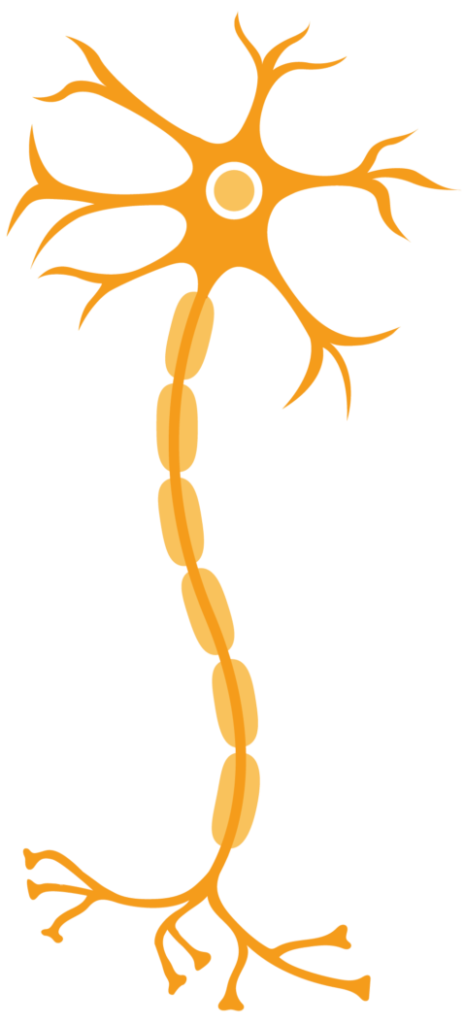
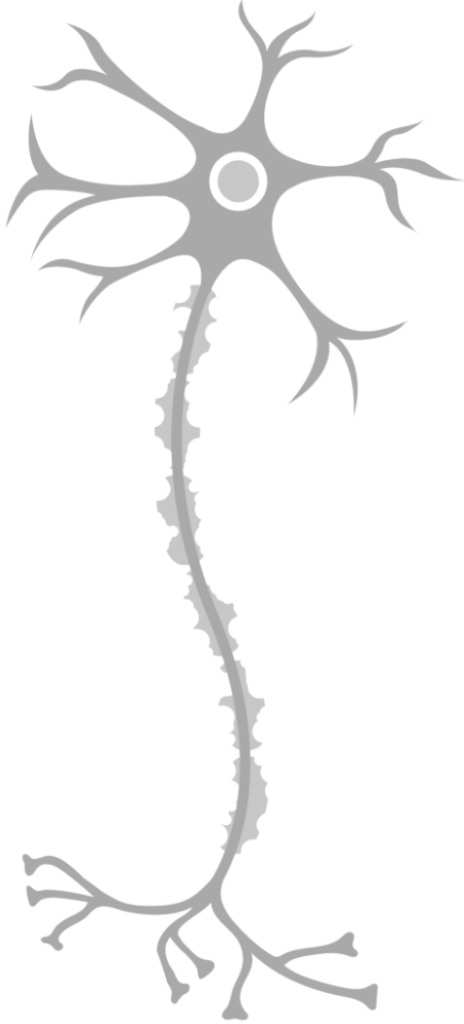
The disease is caused by inherited pathogenic variants in the ASPA gene, which codes for a protein that breaks down NAA. When NAA levels get too high, it becomes toxic to myelin in ways that are not well understood. Myelin insulates the nerves, and without it, neurons are unable to send and receive messages as they should.
Canavan disease has an autosomal recessive pattern of inheritance, meaning a child with the disease inherited a copy of the mutated gene from each parent. In autosomal recessive conditions, parents are carriers of the gene but generally do not experience symptoms.
Treatment Landscape
There are no approved therapies for Canavan disease. Care is currently limited to supportive treatments that help manage symptoms but do not address the underlying cause. Aspa Therapeutics has partnered with UMass Chan Medical School to advance their gene therapy program for Canavan disease, which is now being evaluated in a clinical trial.
Scientific Approach: Gene Therapy
Canavan disease is one of a group of genetic brain disorders known as leukodystrophies. The disease results from pathogenic variants in the ASPA gene, which is responsible for creating an enzyme called aspartoacylase.
In healthy individuals, aspartoacylase breaks down a compound called N-acetyl-L-aspartic acid (NAA), which is predominantly found in neurons. Without a functional ASPA gene, NAA is not broken down properly and builds up in the brain. This buildup leads to demyelination—a loss of the myelin sheath that insulates neurons and is essential for proper signaling—through mechanisms that are not yet fully understood.
We use an adeno-associated virus (AAV) vector to deliver functional copies of the ASPA gene throughout the body and into the brain, with the goal of addressing the underlying cause of the disease. Importantly, our gene therapy is designed for intravenous delivery, allowing systemic distribution—including to deep brain structures—without the need for direct injection into the brain.
Preclinical Research
AAV gene therapy has been safely tested in numerous clinical trials for rare diseases. In preclinical models of Canavan disease, our approach restored survival and improved motor function in mice (Gessler et al., JCI Insight. 2017;2(3):e90807). In non-human primates, IV delivery of our AAV vector resulted in widespread transduction across deep brain structures—demonstrating effective CNS targeting without the need for direct brain injection (ESGCT Poster, 2019).